

1850
United StatesThe early vision
Rob Morris developed the degrees and symbolism that became Eastern Star. General Grand Chapter’s account also recognizes Charlotte Mendenhall Morris’s part in shaping its foundations.
Across generations and around the world, people have built chapters, opened doors, cared for neighbors and carried Eastern Star forward. Their stories belong together.
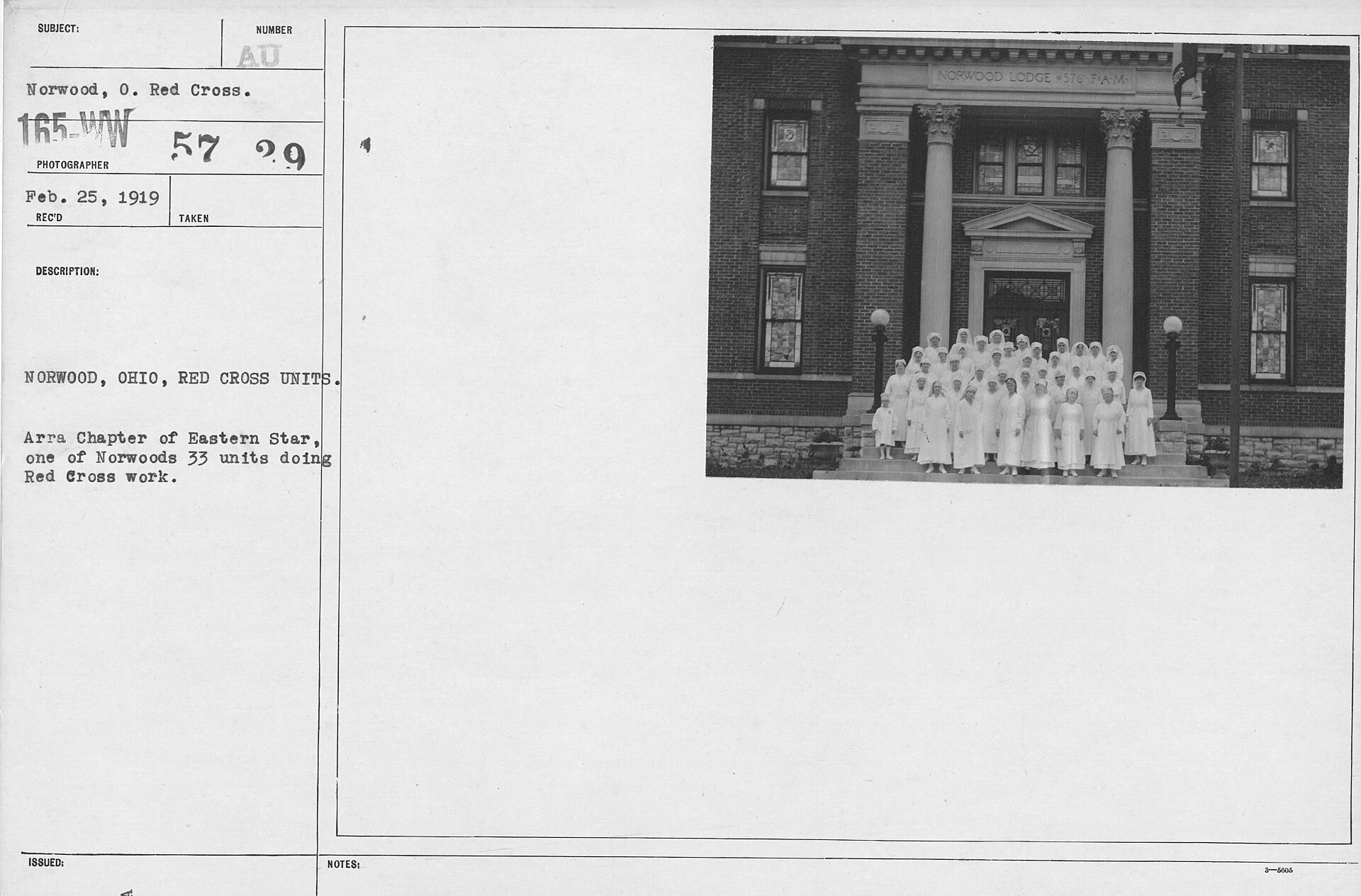
A home offered for a first meeting. A woman elected to lead. A chapter gathering to help its neighbors. Eastern Star’s history lives in moments like these.
Its familiar language of fellowship and service has taken shape through many organizations, countries and communities. Racial exclusion also shaped that history: Black women built their own institutions within the Prince Hall tradition. Independent governance, local circumstances and changing relationships produced other distinct paths.
We honor that breadth by making room for the people, achievements and difficult chapters that each community remembers.
Follow 18 moments from the early vision to chapters and communities around the world.
Rob Morris developed the degrees and symbolism that became Eastern Star. General Grand Chapter’s account also recognizes Charlotte Mendenhall Morris’s part in shaping its foundations.
Robert Macoy helped turn the developing tradition into an organized chapter system. Michigan’s Grand Chapter formed in 1867, an early step in a much wider story.
Georgiana Thomas opened her home for the chapter’s organization on December 1. Martha Welch became its first Worthy Matron, with Thornton A. Jackson as Worthy Patron.
Scotland’s account identifies Victoria Chapter No. 1, chartered September 30, as its earliest recorded chapter. It also acknowledges uncertainty about the Order’s earlier introduction there.
Delegates from Grand Chapters established General Grand Chapter in November. Its formation is one milestone within the broader Eastern Star world.
The Prince Hall historical account records a Grand Chapter organized in Washington, North Carolina, with Julia Foy as Grand Matron and Bishop J. W. Hood as Grand Patron.
Members from Ontario and Michigan met in Chatham to organize a joint Grand Chapter. Maria Hawkins of Detroit became its first Grand Matron.
Eureka’s organizational history places its formation in 1895. Six chapters were represented at its first Grand Session the following year.
The Scottish history dates consecration to 1903 and reconstitution to 1904. This institutional milestone is distinct from its earlier local chapters.
Representatives of multiple jurisdictions gathered for a conference of Grand Chapters. Its changing names and later structure reflect a continuing effort to connect across jurisdictions.
Sarah and Stewart Hall helped introduce the Order from Scotland. Sarah Chapter No. 31 was instituted in Brisbane on July 13, with Sarah Hall as its founding Worthy Matron.
The National Grand Chapter’s own history records an October 24 warrant within the Prince Hall Origin / National Compact tradition. It also identifies gaps in its early surviving records.
Sue M. Wilson Brown published a history of Black Eastern Star communities. Histories, proceedings and souvenir journals preserve voices that a list of governing bodies cannot fully convey.
Rosario Villaruel Chapter No. 2 was instituted in 1948 and constituted in 1949. Sampaguita Chapter No. 3 followed, instituted in 1949 and constituted in 1951.
William Venoid Banks founded International Free and Accepted Modern Masons and Order of the Eastern Star, adding another distinct organizational tradition to this wider history.
International Masons and Eastern Stars helped bring WGPR-TV to the air. Its September 29 launch marked the beginning of America’s first independently Black-owned and operated television station.
Following planning and discussion about autonomy from Scotland, the United Grand Chapter of Australia was established on June 8.
São Paulo’s Grand Chapter was founded in August. A later state-legislature commemoration places this milestone in Brazil’s own Eastern Star story.
These milestones belong to particular communities and governing bodies. Sharing a history does not make every organization part of the same jurisdiction.
Behind constitutions and charters are people who gathered others, kept records and created room to belong.
Thomas’s home became the meeting place for Queen Esther Chapter No. 1. Welch served as its first Worthy Matron. Their roles put women at the center of an important Prince Hall beginning.
The joint Grand Chapter elected Hawkins as Grand Matron in 1889. After her death in office, Hall completed the term and was elected for the next three years, according to Ontario’s history.
The National Grand Chapter’s surviving written history records Canty’s election as National Grand Worthy Matron in 1933 and describes 24 years of leadership. Her story adds another woman’s name to the wider record.
Brown helped preserve Black Eastern Star history in a 1925 book. Her work also extended into women’s suffrage and civil rights in Iowa, connecting the task of recording a community with the work of strengthening it.
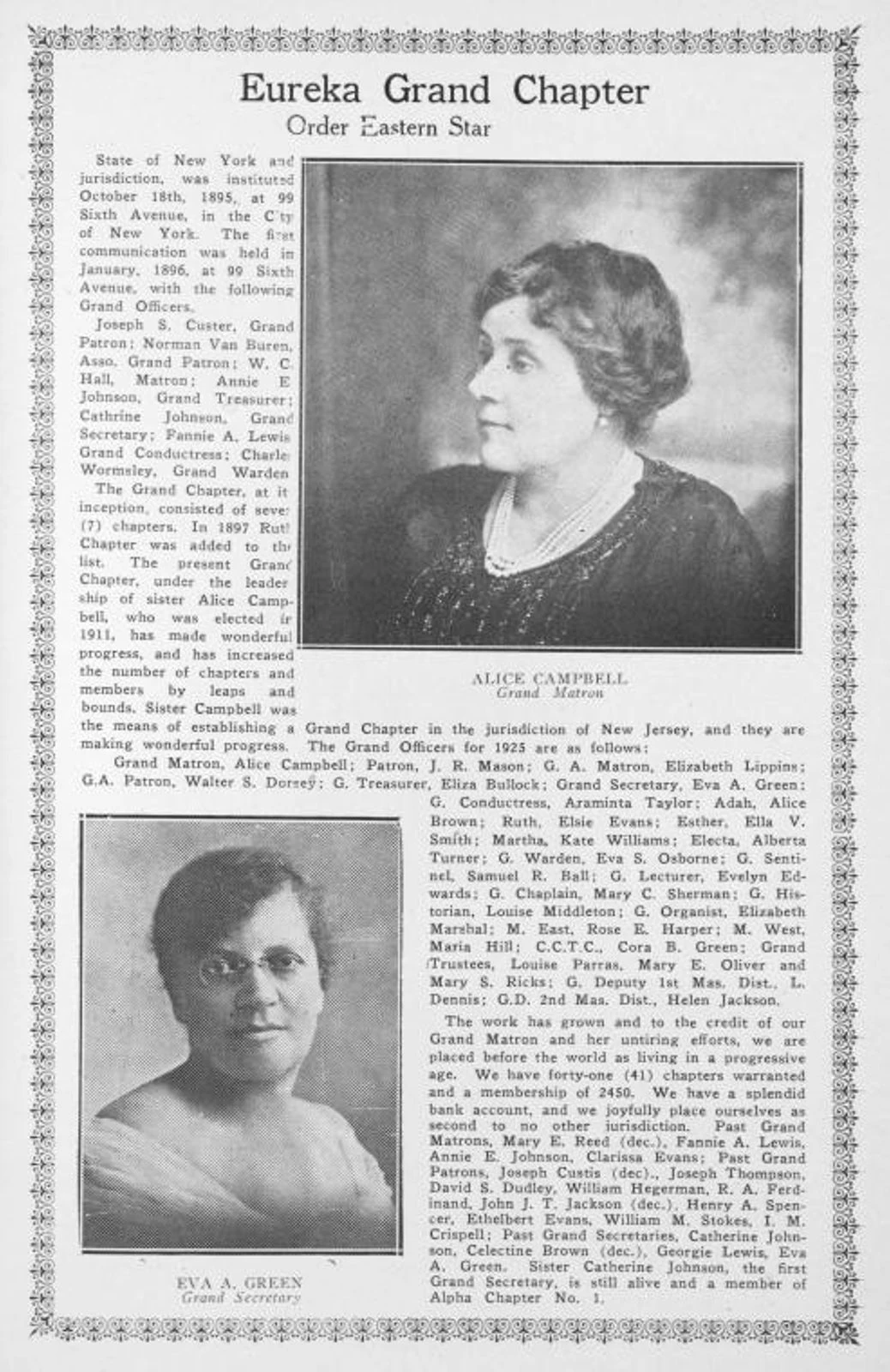
A surviving Prince Hall souvenir journal identifies Campbell as Grand Matron and Green as Grand Secretary of Eureka Grand Chapter. Their portraits bring individual faces into a story often told through dates and institutions.
Eureka’s own history describes records lost in a 1906 warehouse fire and a charter dispute followed by reconstruction in 1937. A surviving page can be especially meaningful when parts of a community’s archive have been lost.
Select the page to explore the original in the image viewer.Photographs bring the people behind the history into view. Select any image to open the full photograph.
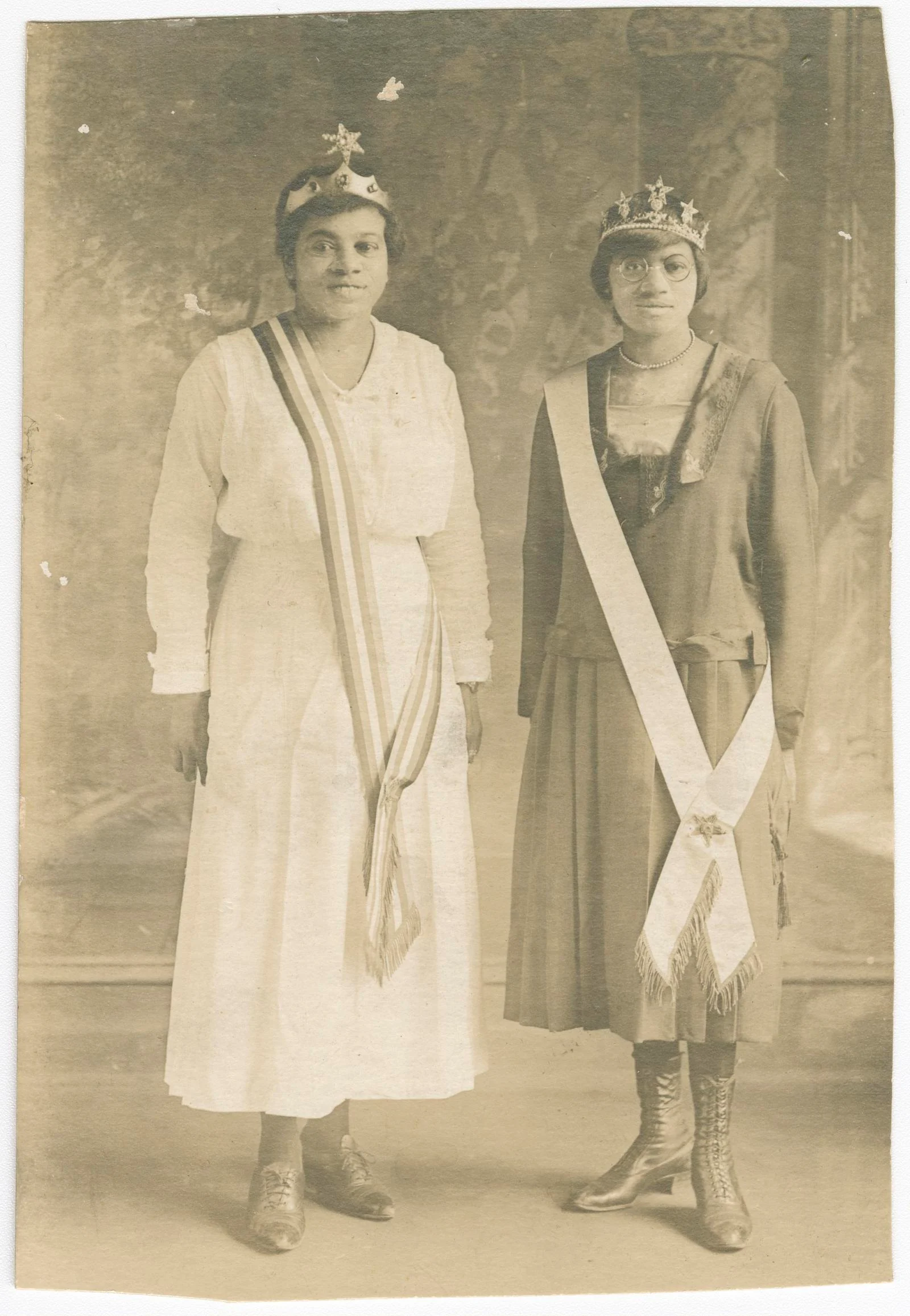
Magdalene Hendricks, at right, and her sister posed in Eastern Star regalia for this photographic postcard. The museum identifies Magdalene; her sister’s name is not recorded in its catalog.
Collection of the Smithsonian National Museum of African American History and Culture, Gift of Robin J. Boozé Miller. Object 2011.72.4. Museum record · CC0 / public domain.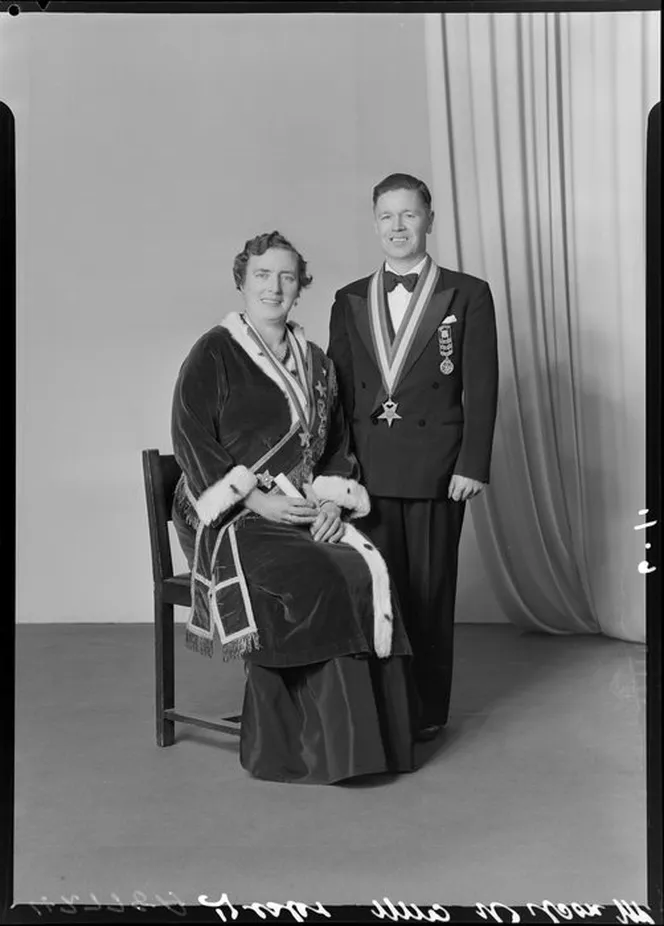
Crown Studios of Wellington made this portrait of an unidentified couple. Their names remain an open question in the library’s record—a reminder of how much a family name or chapter album can add.
Unidentified couple, [recipients? of] the Order of the Eastern Star. Crown Studios Ltd :Negatives and prints. Ref: 1/2-193754-F. Alexander Turnbull Library, Wellington, New Zealand. Library record · Noncommercial web use permitted; full image preserved.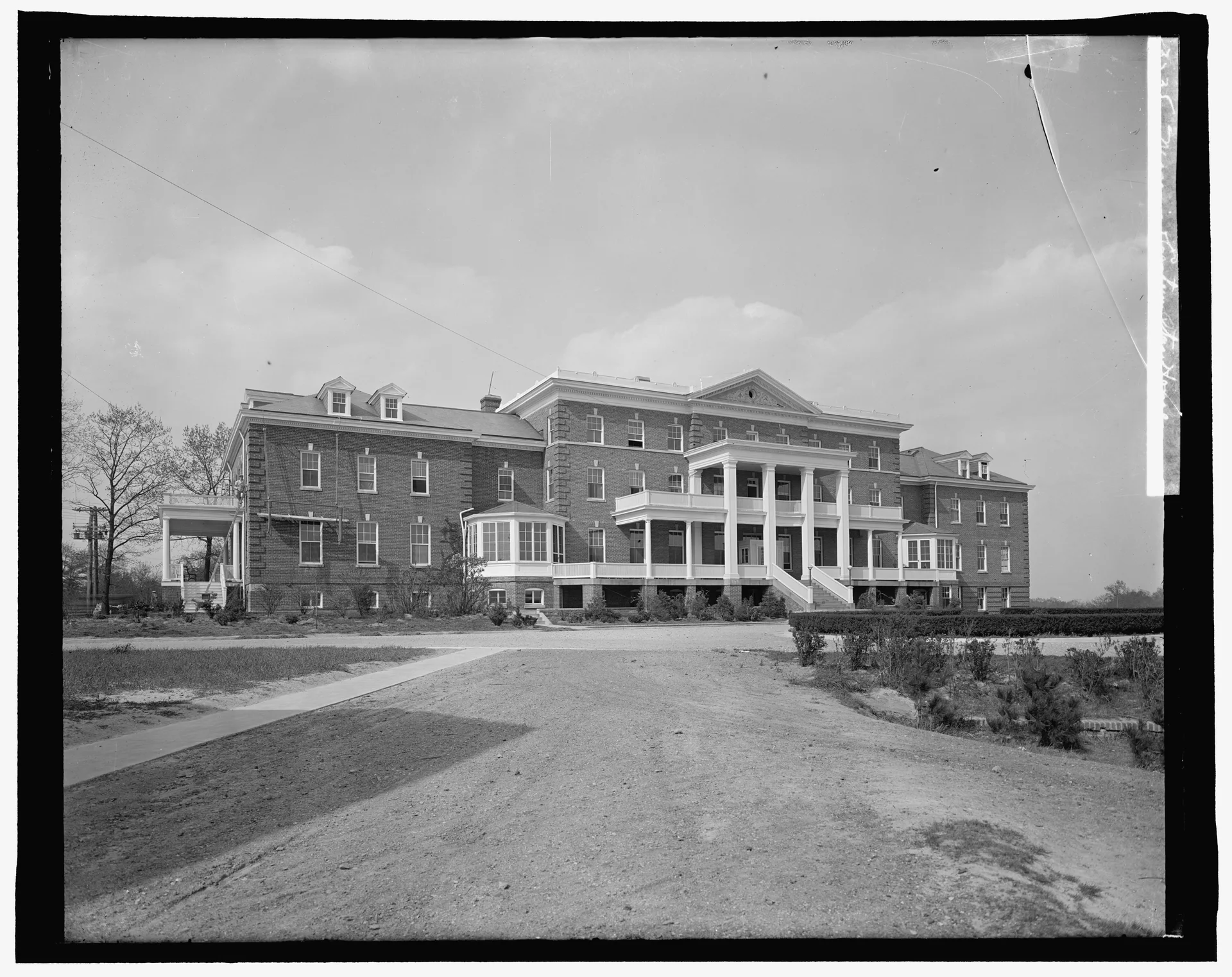
The Library of Congress catalogs this glass negative as Masonic & Eastern Star Home. Its broad date range and original plate edges are retained here. The catalog does not identify a precise year or location.
Buildings, as well as portraits, can offer a starting point for discovering a community’s story.
National Photo Company Collection, Library of Congress. LC-DIG-npcc-28393. Library record · No known restrictions on publication.Public buildings, volunteer work, local records and even television help reveal the many ways Eastern Star communities have taken part in the wider world.
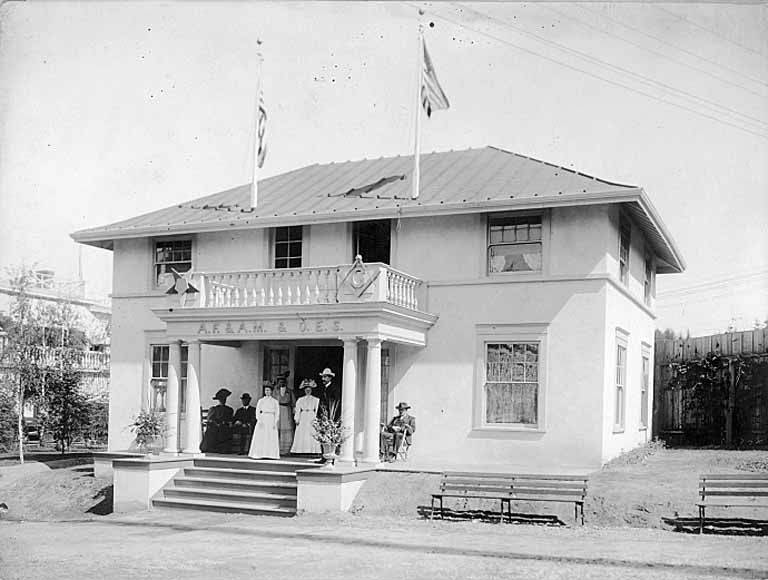
The College of Charleston preserves Prince Hall Chapter No. 41 records that include minutes, correspondence and financial records. Materials like these let historians look beyond ceremonies and officers to the practical work that sustained a chapter.
Different governing bodies keep their own constitutions, records and traditions. Their histories include racial barriers, independent organization, international growth and changes in relationships over time. A shared name or symbol does not settle questions of governance or recognition.
Look for them in chapter minutes, officer lists, memoirs, photographs, published histories and community records. The women featured here include founders, elected leaders, an author and a Grand Secretary. Their work is central to the story.
Start with a name, place and date, then identify the chapter or organization involved. A clearly described photograph, program, published account or family recollection can point toward a story worth exploring. Tell us what you know and where the information came from.
Help us remember the organizers, mentors, volunteers and neighbors who made a difference. Every carefully preserved story gives another generation something to carry forward.
Historical notes and further reading are collected in one place.
Explore the history reading list ↗